
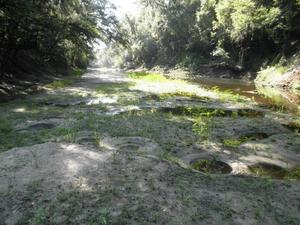
 a last minute Labor Day trip down the Alapaha in search of where it goes under ground or dries up Continue reading
Category Archives: Quantity
Water issues with VA-2014-07 at Baytree and Azalea Drive in Valdosta –WWALS to Valdosta City Council
Gretchen sent this letter to the Valdosta City Council last Thursday, and is going to read it to them tonight at their Regular Session (PDF. -jsq
Dear Valdosta City Council Members,
WWALS Watershed Coalition, Inc. would like to draw your attention to some issues related to rezoning VA-2014-07 Brooks Turner LLC at the corner of Baytree and Azalea Drive. As you are aware, flooding in Sugar Creek has been a problem for many years. The proposed development of lots between Baytree and Pinetree will result in the removal of approximately seventy (70) mature pine trees, increase paving percentage (the lots are mostly grass with clearly less than 50% covered by rooftops and hard paved surfaces), and most dramatically replace Continue reading
Letter to Lowndes County Commission about Sabal Trail
 Here’s the cover letter I sent to the Lowndes County Commission
about the
action letter to county commissions, text of which was appended.
They meet tonight at 5:30 PM.
-jsq
Here’s the cover letter I sent to the Lowndes County Commission
about the
action letter to county commissions, text of which was appended.
They meet tonight at 5:30 PM.
-jsq
From: “John S. Quarterman”
Date: Sun, 07 Sep 2014 21:07:54 -0400
cc: wwalswatershed@gmail.com
To: “Joyce E. Evans”, Richard Raines, Crawford Powell, Demarcus Marshall, Clay Griner
Subject: Resolutions other counties have passed against Spectra pipelinesDear Lowndes County Commissioners,
With FERC’s recent instructions to Sabal Trail adding three more pipeline alternates that could go through Lowndes County, Lowndes has become even more of a key county regarding that pipeline. Please see the appended letter signed by many groups and individuals for resolutions and an ordinance that other counties have already passed.
Thanks,
John S. Quarterman, President, WWALS Watershed Coalition, Inc. Continue reading
FL State Rep. Elizabeth Porter objects to FERC about Sabal Trail pipeline in karst limestone
 Chris Mericle’s Florida state rep.,
Elizabeth Porter,
who also attended the recent
GA EPD briefing to SRWMD about Valdosta’s plans to fix
its wastewater overflowes into the Withlacoochee River, just objected to FERC about Sabal Trail’s fracked methane pipeline (PDF).
Chris and Deanna Mericle are our local hosts for the
WWALS Withlacoochee and Suwannee River
paddle past the pipeline 21 September 2014.
Chris Mericle’s Florida state rep.,
Elizabeth Porter,
who also attended the recent
GA EPD briefing to SRWMD about Valdosta’s plans to fix
its wastewater overflowes into the Withlacoochee River, just objected to FERC about Sabal Trail’s fracked methane pipeline (PDF).
Chris and Deanna Mericle are our local hosts for the
WWALS Withlacoochee and Suwannee River
paddle past the pipeline 21 September 2014.
FLORIDA HOUSE OF REPRESENTATIVES
Continue reading
Representative Elizabeth Porter
District 10
Elizabeth.Porter@myfloridahouse.gov
WWALS signs letter to county commissions opposing the Sabal Trail pipeline
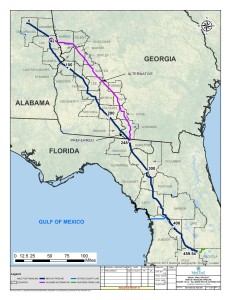 A citizen of Suwannee County, Florida has written a letter
to county commissions, starting with
her own Suwannee County Commission that meets tonight,
and WWALS Watershed Coalition, Inc. has joined the many signers.
A citizen of Suwannee County, Florida has written a letter
to county commissions, starting with
her own Suwannee County Commission that meets tonight,
and WWALS Watershed Coalition, Inc. has joined the many signers.
The Action letter to County Commissioners against Sabal Trail pipeline begins:
Dear Commissioner,
We are sure that you have heard of the Sabal Trail/Spectra Energy Pipeline and the resolution passed by Hamilton County BOCC August 22, 2014, to prohibit its path through the Withlacoochee River in Hamilton County (link below). It appears that that resolution has been successful. But the problem has not gone away in that Continue reading
Cook County, GA ground water depletion –USGS
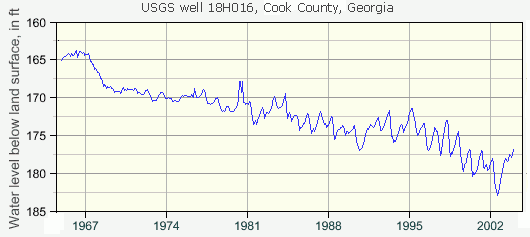
In USGS’s web page on Groundwater depletion:
The chart below shows monthly-mean water levels from 1964 to 2003 for a well in Cook County, sourthwest Georgia. The well is used for irrigation and public- supply purposes and offers a good visual representation of long-term groundwat er declines due to excessive pumping. [d]—data for the chart is available.
West-central Florida— Continue reading
USGS warns Withlacoochee River already leaks into Floridan Aquifer
 There’s a reason
Valdosta’s water wells are 400 feet deep.
Its earlier, shallower wells were sucking up Withlacoochee River water that still leaks into groundwater.
Should we risk a fracked methane pipeline digging under that same river and possibly causing more sinkholes and underground movement of contaminants, some perhaps coming from the pipeline itself or its demands for pressure testing water?
There’s a reason
Valdosta’s water wells are 400 feet deep.
Its earlier, shallower wells were sucking up Withlacoochee River water that still leaks into groundwater.
Should we risk a fracked methane pipeline digging under that same river and possibly causing more sinkholes and underground movement of contaminants, some perhaps coming from the pipeline itself or its demands for pressure testing water?
Sustainability of Ground-water Resources, by William M. Alley Thomas E. Reilly O. Lehn Franke, 1 January 1999, U.S. Department of the Interior, U.S. Geological Survey – Publisher. In Box E on Page 63:
The Connection Between Surface-Water Quality and Ground-Water Quality in a Karst Aquifer
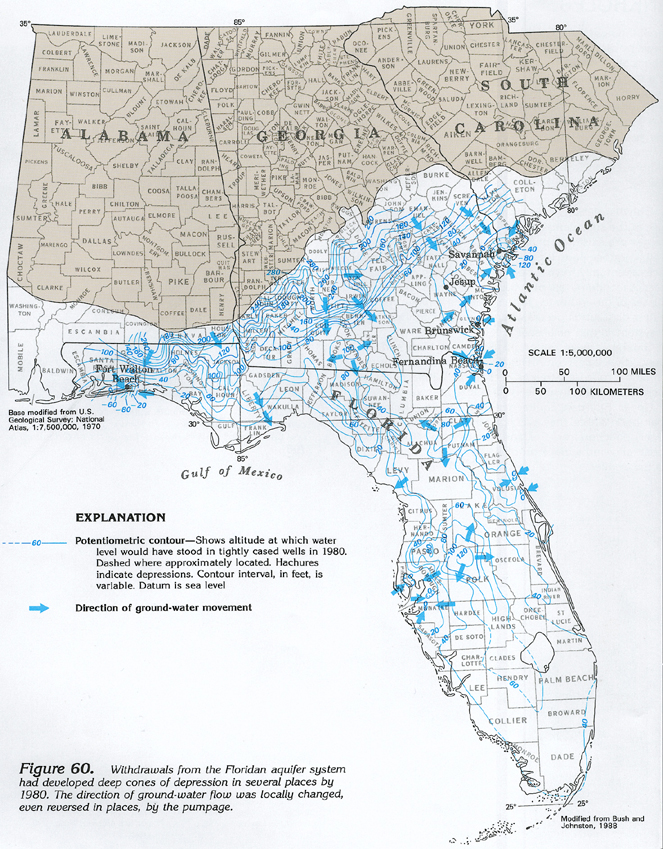
The Upper Floridan aquifer, which is the sole source of water supply for Valdosta, Georgia, and much of the surrounding area, receives large volumes of direct discharge from the Withlacoochee River through sinkholes in the streambed or off-channel. A highly interconnected conduit system has developed Continue reading
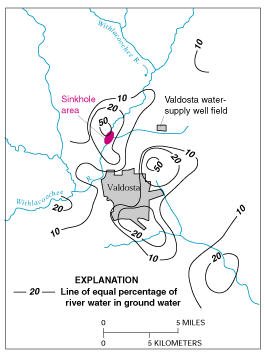
Figure E-1. Estimated percentage of Withlacoochee River water in ground water in the Upper Floridan aquifer, June 1991. (Modified from Plummer and others, 1998.)
Water and property rights should trump pipeline profits –WWALS op-ed in Gainesville Sun
 Third newspaper and still counting,
28 August 2014, Gainesville Sun,
John S. Quarterman: Water and property rights should trump pipeline profits.
Third newspaper and still counting,
28 August 2014, Gainesville Sun,
John S. Quarterman: Water and property rights should trump pipeline profits.
The WWALS op-ed also appeared in the Moutrie Observer 1 August 2014 and the Ocala StarBanner 3 August 2014.
This comes after the 18 August 2014 OSFR v. FPL: head to head in the Gainesville Sun.
-jsq
Sabal Trail trying to avoid Withlacoochee River
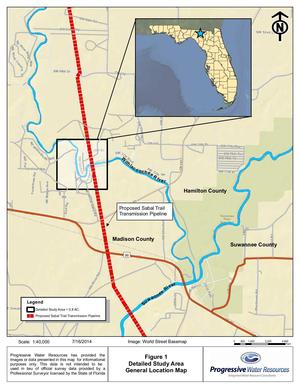 Chris Mericle got the appended letter from Sabal Trail through
Congressman Yoho’s office (FL-03). -jsq
Chris Mericle got the appended letter from Sabal Trail through
Congressman Yoho’s office (FL-03). -jsq
———- Forwarded message ———-
From: Norfleet, Jessica
Date: Thu, Aug 28, 2014 at 10:41 AM
Subject: FW: Comment on Filing submitted in FERC PF14-1-000 by Individual No Affiliation,et al.
Here is the context of the information I just spoke to you about,
Jessica and Clay, I want to provide you a quick heads up regarding the Withlacoochee River crossing. Continue reading
Resolution No. 14-10, Hamilton County, FL, 19 August 2014
 Other Florida, Georgia, and Alabama counties could do what Hamilton County,
Florida just did in this
this resolution.
Even before it got this resolution, FERC yesterday
directed Sabal Trail to deal with what Chris Mericle had been saying,
including proposing routes to minimize crossing the Withlacoochee River
or to avoid crossing it entirely.
Other Florida, Georgia, and Alabama counties could do what Hamilton County,
Florida just did in this
this resolution.
Even before it got this resolution, FERC yesterday
directed Sabal Trail to deal with what Chris Mericle had been saying,
including proposing routes to minimize crossing the Withlacoochee River
or to avoid crossing it entirely.
Chris Mericle sent a PDF copy of the resolution with its attached hydrogeological report. I’ve added links to the other referenced documents.
Chris is the local host for the
September WWALS Outing on the Withalacoochee and Suwannee Rivers,
 where you can come float past that same area
Sunday 21 September,
and see many local springs, sinkholes and shoals
that need to be protected from that pipeline.
where you can come float past that same area
Sunday 21 September,
and see many local springs, sinkholes and shoals
that need to be protected from that pipeline.
RESOLUTION NO. 14-10
BOARD OF COUNTY COMMISSIONERS
HAMILTON COUNTY, FLORIDA Continue reading